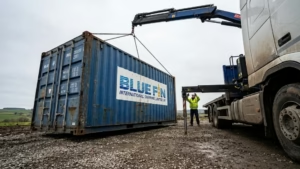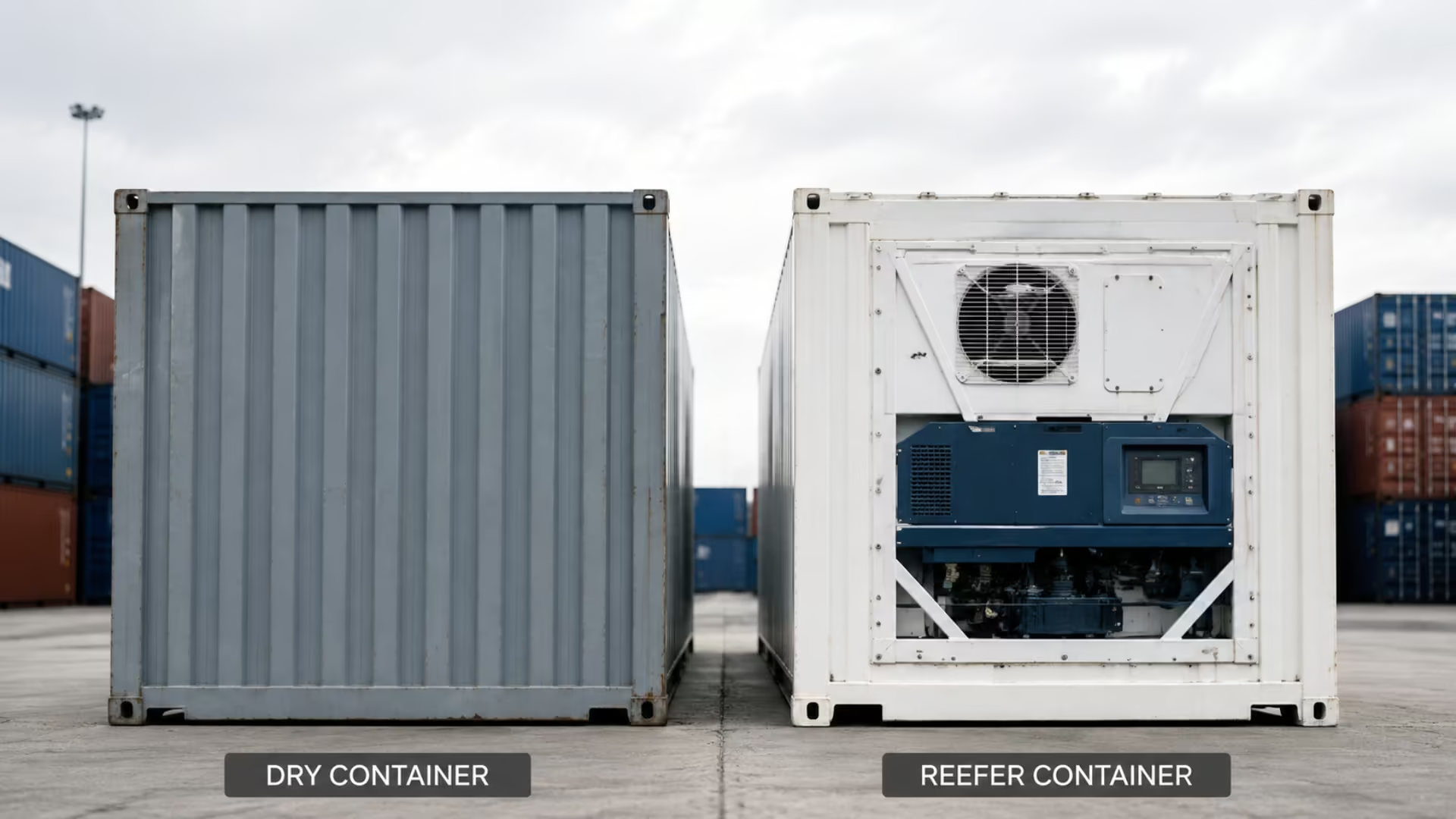
A dry container is a standard, unrefrigerated steel box built for general cargo. A reefer container is a refrigerated unit designed to hold a set temperature range for perishables, pharmaceuticals, and other goods that spoil or degrade in normal conditions. The two look similar from the outside, but what happens inside them is worlds apart.
Key Takeaways:
- Dry containers are unrefrigerated steel units for general freight: furniture, machinery, dry goods, and non-perishable cargo.
- Reefer containers run an active refrigeration unit, holding temperatures typically between -30°C and +30°C for perishable or temperature-sensitive cargo.
- Reefers cost more to buy, hire, and run since they need a constant power source and regular servicing.
- A “non-operating reefer” (NOR) is a reefer shell used purely for storage, with the refrigeration unit switched off.
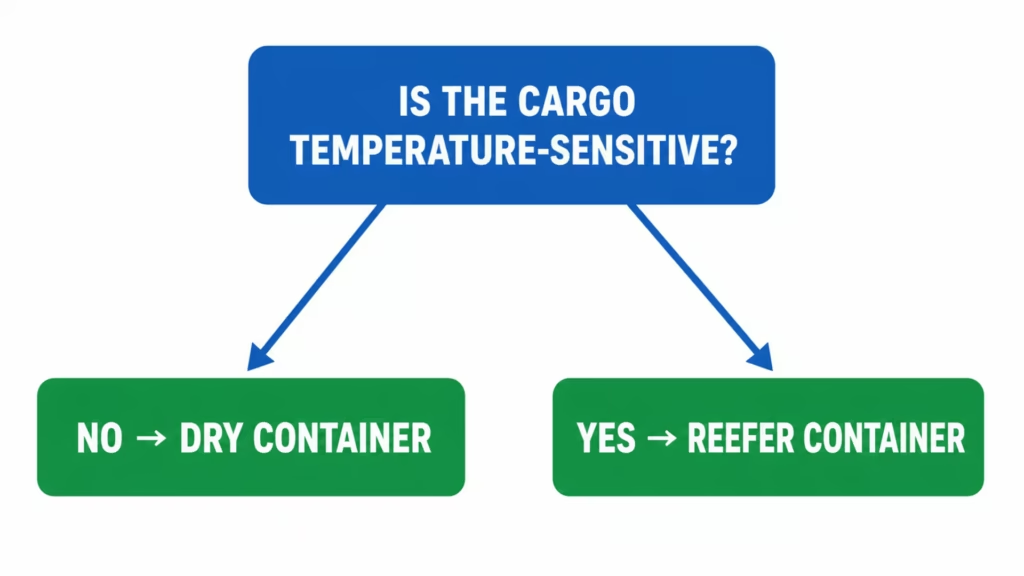
- Choosing between them comes down to one question: does your cargo need temperature control, or not?
What Is a Dry Container?
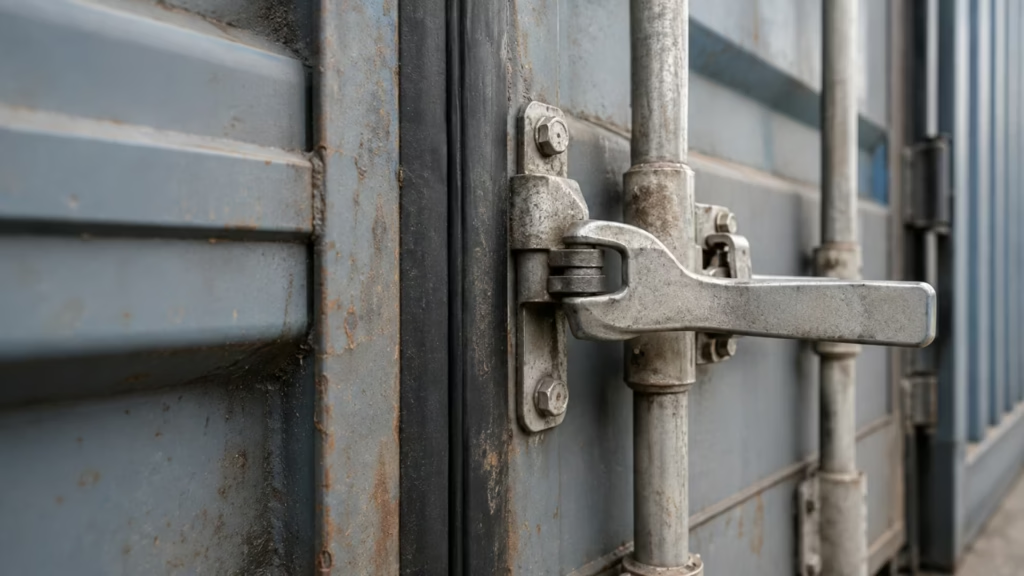
Picture the classic shipping container, the corrugated steel box you’ve seen stacked on ports, ships, and lorries your whole life. That’s a dry container, also called a “general purpose” or “standard” container. No electrics, no insulation, no moving parts beyond the door hinges.
Dry containers carry the bulk of the world’s freight. Furniture, machinery, textiles, packaged goods, construction materials. If it doesn’t spoil, melt, or need a specific climate, it probably travels in one of these.
They come in a few standard sizes:
Dry containers carry the bulk of the world’s freight. Furniture, machinery, textiles, packaged goods, construction materials. If it doesn’t spoil, melt, or need a specific climate, it probably travels in one of these.
They come in a few standard sizes:
- 20ft – around 33 cubic metres of capacity, the most widely used size globally
- 40ft – roughly double the volume of a 20ft unit
- 45ft high cube pallet-wide – the largest standard option, built for Euro pallet freight where cubic capacity really drives the economics
Because they’re simple by design, dry containers are also the cheaper option to buy or hire, and they need next to no maintenance beyond the usual checks for rust, seals, and structural soundness.

What Is a Reefer Container?
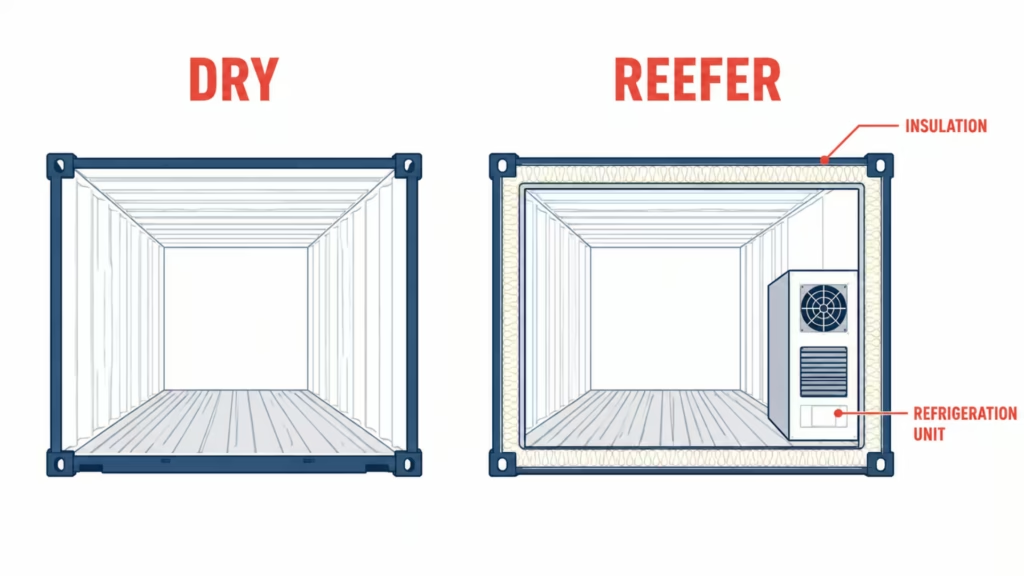
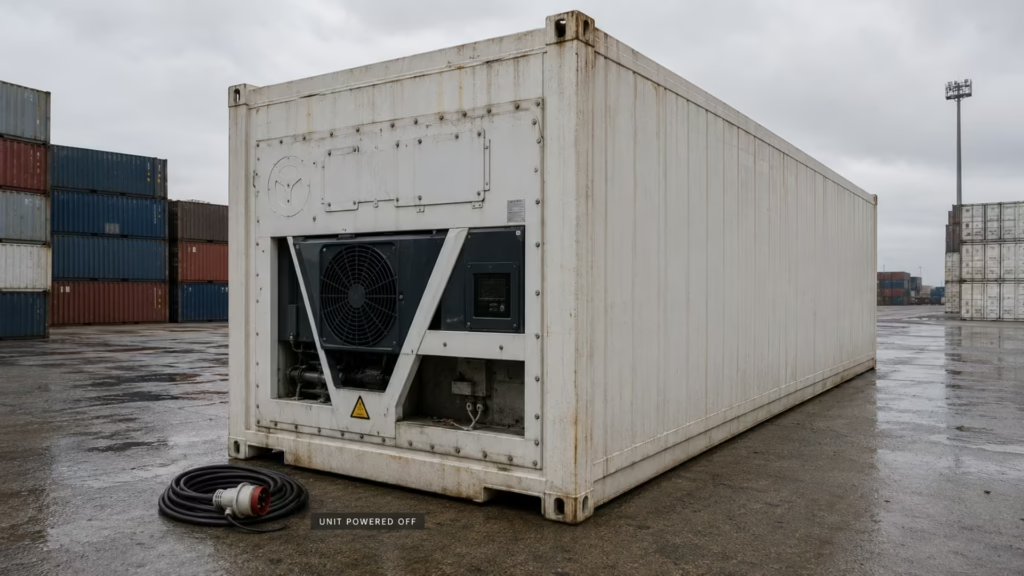
A reefer container is essentially a dry container’s more complicated cousin. It has the same steel shell, but with insulated walls and a built-in refrigeration unit mounted at one end. Reefer containers are insulated units with a built-in refrigeration system, designed to maintain a controlled temperature throughout transit, which is what makes them the backbone of cold chain logistics.
That refrigeration unit needs power to function, usually drawn from a “reefer point” on a ship, quay, or storage site. While a reefer has an integral refrigeration unit, it relies on external power from electrical power points at a land-based site, a container ship, or a quay. Cut the power, and the temperature control stops working within hours.
Reefers are the standard choice for shipping fruit, vegetables, dairy, seafood, and pharmaceutical goods where the cold chain can’t be broken. Vaccines and other medications that require narrow, monitored temperature bands rely on this same technology, which is partly why modern reefers are fitted with telematics and GPS tracking. This allows remote monitoring of a container’s parameters as part of a fleet telematics system, so operators can catch a temperature drift before it ruins a shipment of frozen meat or damages a batch of pharmaceuticals.
That refrigeration unit needs power to function, usually drawn from a “reefer point” on a ship, quay, or storage site. While a reefer has an integral refrigeration unit, it relies on external power from electrical power points at a land-based site, a container ship, or a quay. Cut the power, and the temperature control stops working within hours.
Reefers are the standard choice for shipping fruit, vegetables, dairy, seafood, and pharmaceutical goods where the cold chain can’t be broken. Vaccines and other medications that require narrow, monitored temperature bands rely on this same technology, which is partly why modern reefers are fitted with telematics and GPS tracking. This allows remote monitoring of a container’s parameters as part of a fleet telematics system, so operators can catch a temperature drift before it ruins a shipment of frozen meat or damages a batch of pharmaceuticals.
Dry vs Reefer: The Core Differences
| Feature | Dry Container | Reefer Container |
|---|---|---|
| Construction | Steel shell, no insulation | Insulated walls, refrigeration unit |
| Power required | None | Continuous electrical supply |
| Temperature control | None | Adjustable within a set range |
| Typical cargo | General freight, machinery, dry goods | Perishables, pharmaceuticals, frozen food |
| Maintenance | Low | Higher, requires servicing of refrigeration components |
| Cost to buy or hire | Lower | Higher, often significantly |
Cargo type is really what decides this for you. There isn’t much of a debate to be had if you’re shipping frozen fish or insulin. A reefer container isn’t optional there, it’s the only sensible route. For everything else, a standard shipping container does the job at a fraction of the cost.
Can a Reefer Be Used as a Dry Container?
Sometimes, yes. This is called a non-operating reefer, or NOR for short. It’s a reefer shell with the refrigeration unit switched off (or in some cases removed entirely), used purely as storage or transport space rather than a temperature-controlled one.
Why would anyone bother? A few reasons come up often:
Why would anyone bother? A few reasons come up often:
- NORs are usually cheaper than a full standard container of the same age and condition, since demand for them as storage is lower
- They still carry the extra insulation, which some buyers find useful for temperature buffering even without active refrigeration
- Availability can work in your favour. Retired reefer units sometimes hit the market faster than fresh dry stock
That said, it’s not a like-for-like swap. You lose the interior space the insulation eats into, and you’re carrying dead weight (the refrigeration unit itself) if you’re not using it. For pure freight or storage purposes, it’s a workaround rather than an upgrade. If space efficiency matters more than insulation, a compact 10ft container built purely for storage is often the simpler choice.
Which One Do You Actually Need?
Ask yourself one question first: is your cargo temperature-sensitive? If the answer is no, a dry container will almost always be the better fit. Lower upfront cost, lower running cost, and no dependency on a power source to keep your goods intact.
Blue Fin’s full container range covers everything from compact storage units up to large-capacity freight containers, so it’s worth comparing sizes before you commit. If your supply chain involves anything perishable, and this includes food, flowers, certain chemicals, or pharmaceuticals, a reefer isn’t really a choice so much as a requirement. The cold chain only works if every link in it holds the same standard, and a dry container simply can’t provide that.
Somewhere in between sits a smaller group of buyers weighing a non-operating reefer for storage. If the insulation genuinely matters to your use case (say, temperature buffering in a hot climate) it’s worth considering. Otherwise, a standard dry unit will usually serve you just as well for less money.
Blue Fin’s full container range covers everything from compact storage units up to large-capacity freight containers, so it’s worth comparing sizes before you commit. If your supply chain involves anything perishable, and this includes food, flowers, certain chemicals, or pharmaceuticals, a reefer isn’t really a choice so much as a requirement. The cold chain only works if every link in it holds the same standard, and a dry container simply can’t provide that.
Somewhere in between sits a smaller group of buyers weighing a non-operating reefer for storage. If the insulation genuinely matters to your use case (say, temperature buffering in a hot climate) it’s worth considering. Otherwise, a standard dry unit will usually serve you just as well for less money.
Frequently Asked Questions
What is the difference between a dry container and a reefer container?
A dry container is an unrefrigerated steel box for general cargo. A reefer container has an insulated shell and a working refrigeration unit, built to keep temperature-sensitive goods within a set range during transport or storage.
What does “dry container” mean and what are its common uses?
A dry container, sometimes called a general purpose container, is a standard shipping container with no refrigeration or climate control. It’s used for freight like furniture, machinery, textiles, and any other cargo that doesn’t need a controlled environment.
What is a reefer container and how does it work to maintain temperature?
A reefer container is a refrigerated unit with an integrated cooling system built into one end of the container. It draws power from an external source, a reefer point on a ship, quay, or storage site, and uses that power to hold a set temperature range for the duration of a shipment.
Can a reefer container be used as a dry container (non-operating reefer)?
Yes. This is known as a non-operating reefer, where the refrigeration unit is switched off or removed and the container is used purely for storage or general cargo. It’s a workaround rather than a direct replacement for a standard dry container.
Is a dry container better than a reefer container for certain types of cargo?
For non-perishable freight, yes. Dry containers are cheaper, need less maintenance, and don’t depend on a continuous power supply. For perishable or temperature-sensitive cargo, a reefer is generally necessary regardless of cost.
What are the key features and specifications of dry and reefer containers?
Dry containers are uninsulated steel units typically available in 20ft, 40ft, and 40ft high cube sizes. Reefer containers add insulated walls and a refrigeration unit capable of holding temperatures across a wide range, often from around -30°C to +30°C depending on the model.
What are the cost differences between dry and reefer containers?
Reefer containers cost considerably more to buy or hire than dry containers, largely due to the refrigeration equipment and the ongoing power and maintenance needs. Dry containers are the more budget-friendly option across purchase price, hire rates, and upkeep.