

Get them wrong, and it usually means rust repairs, a container that doesn’t fit the site, or a delivery truck that can’t reach the driveway. This guide walks through the mistakes buyers make most often, and how to avoid them.
Key Takeaways:
- Rust isn't always a dealbreaker. Surface rust is cosmetic; rust on cross members or the floor frame is structural.
- Size mistakes are the most common error among first-time buyers. Measure the site and storage needs before ordering.
- Condition grades (wind & watertight, cargo-worthy, IICL) affect both container prices and what the unit is fit for.
- Ask about CSC certification, shipping history, and what recourse exists if a problem shows up after delivery.
- Delivery and access requirements are often an afterthought. They shouldn't be.
Skipping the Container Inspection
Rust is the obvious concern, but not all rust is equal. Surface rust on side panels is cosmetic and expected on a used container. It’s a sign the box has done its job. What actually matters is whether the cross members, corner castings, and floor structure are still structurally sound. A proper container inspection should cover:
- Walk the entire container, inside and out, not just a glance through the doors
- Check for soft spots in the floor, especially near the doors where moisture collects
- Look for rust or damage around the cross members, since these hold the structural integrity of the unit
- Check that it will seal properly: door gaskets and welded seams shouldn’t show gaps or corrosion
- Ask if the container comes with a wind and watertight guarantee, in writing
Choosing the Wrong Container Size
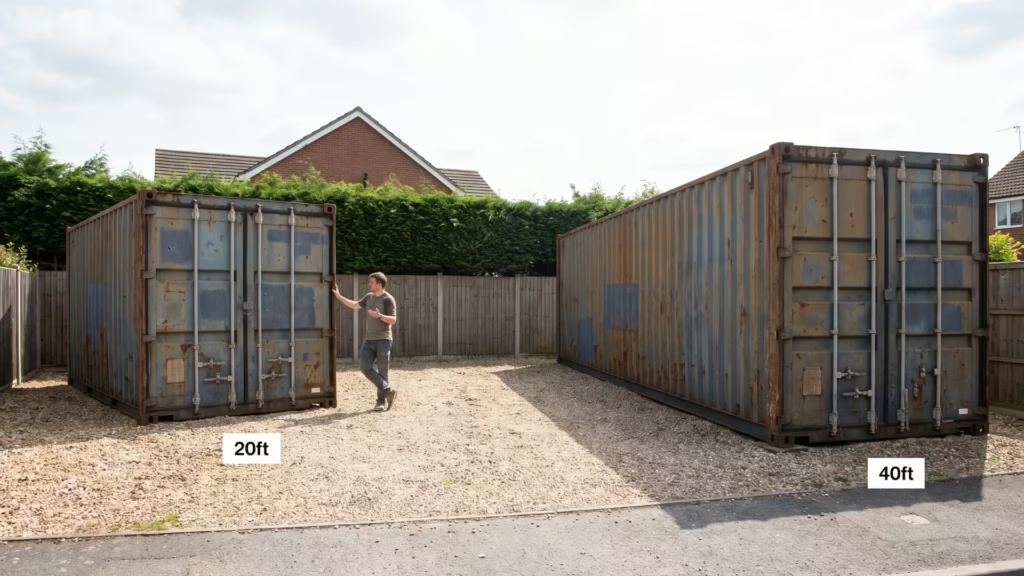
Buying the wrong size is probably the second most common mistake. First-time buyers underestimate how much space they’ll need, then order a 20ft container when a 40ft container would have saved a second purchase later on.
Think about what’s being stored, not just what fits the driveway today. A 20ft container suits tools, stock, or seasonal storage. A 40ft suits larger equipment, bulk inventory, or anyone converting the space into a workshop.
Storage requirements change. If there’s a decent chance yours will grow over the next year or two, buying the right size once usually works out cheaper than buying twice.

Not Understanding Condition Grades
Used” isn’t one category. Condition grades vary, and they affect both container prices and suitability.
Broadly, used containers fall into a few grades:
- Wind and watertight (WWT). Structurally sound and sealed against the elements, though it may carry cosmetic wear like dents or surface rust. Good for general storage.
- Cargo-worthy / Grade A. A step up, meeting the standard required for international shipping.
- IICL certified. The highest used grade, inspected against strict industry standards and often close to one-trip quality.
- One-trip. Technically new. Made a single journey from the factory, so it performs like a brand-new container at a lower price than true new stock.

Buying Without Asking the Right Questions
- Is the container CSC certified? This matters for anyone planning to export it or move it by rail or ship later.
- What shipping lines has it come from, and how many trips has it made?
- What recourse exists if the container arrives damaged or doesn’t match the description?
- Does the price include delivery, or does that get added on afterward?
Ignoring Delivery and Access Requirements
- Is the driveway wide enough for a tilt-bed delivery truck, not just a standard van?
- Are there overhead power lines or low branches along the delivery route?
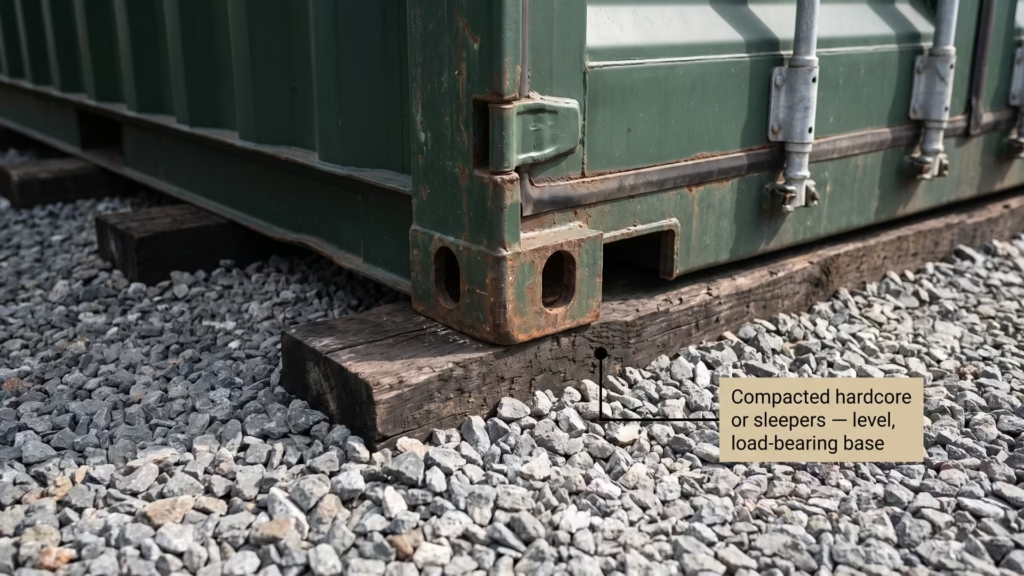
- Has the ground been prepared? A container needs a level, load-bearing surface such as compacted hardcore, concrete, or railroad ties, so it doesn’t sink or twist over time.
- Will the site need frequent access afterward, and is there room to open the doors fully if so?
- Does the municipality have permit requirements for placing a container on the property, even temporarily?


