Key Takeaways:
- Shipping containers have an average lifespan of 25 to 50 years with proper care.
- Active cargo use typically runs 10 to 12 years before containers move into secondary roles.
- Rust, moisture, and poor ventilation are the biggest threats to a container's lifespan.
- Used containers can still be structurally sound for storage, site work, or a container home.
The Average Lifespan of a Shipping Container
Shipping containers are made from corten steel, a weathering steel that forms a stable outer layer when exposed to the elements. That’s the source of their durability, even in the harshest sea conditions.
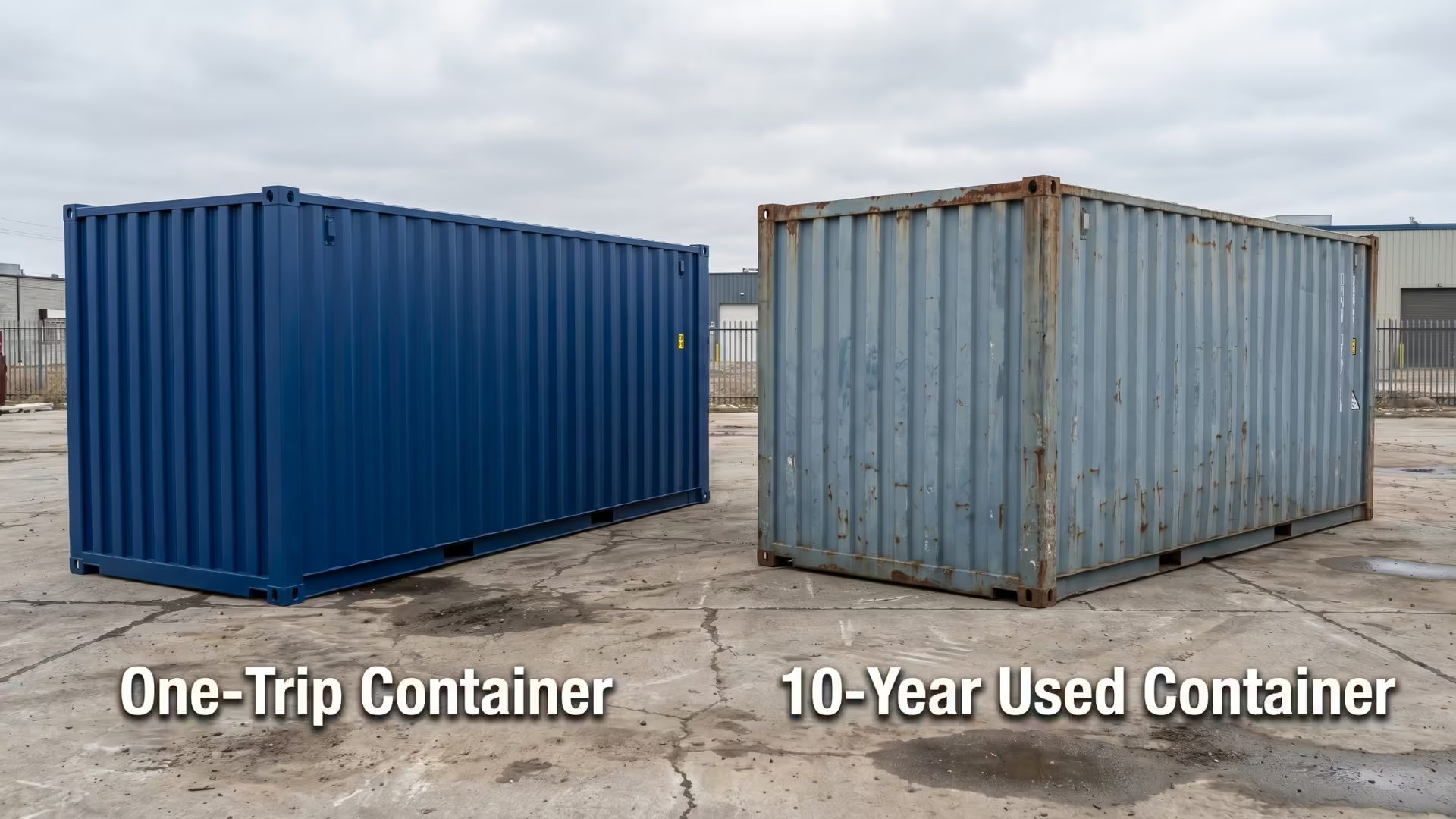
Containers have an average lifespan of around 25 years in general use, though many reach 40 years or beyond with the right upkeep. One-trip containers, having made only a single voyage, start in far better shape and can last even longer. Shipping containers are built to protect cargo across thousands of miles of open ocean, and that same toughness carries over into land-based use.

Factors That Affect the Lifespan of a Shipping Container
- Environment — Coastal salt air and harsh weather conditions accelerate rust and corrosion. Containers kept inland in drier climates tend to hold up considerably better.
- Moisture and condensation — When warm air meets cold steel, dampness builds inside. Without proper ventilation, this can weaken the container’s structure over time.
- Usage history — Heavy industrial cargo leaves more dents and structural stress than dry goods or storage use.
- Ground conditions — A container in standing water deteriorates faster than one on a level, well-drained base. Re-levelling periodically prevents structural stress.
- Maintenance history — A proactive owner who inspects and repairs early will get significantly more life out of their container.
Signs of Wear and Tear to Watch For
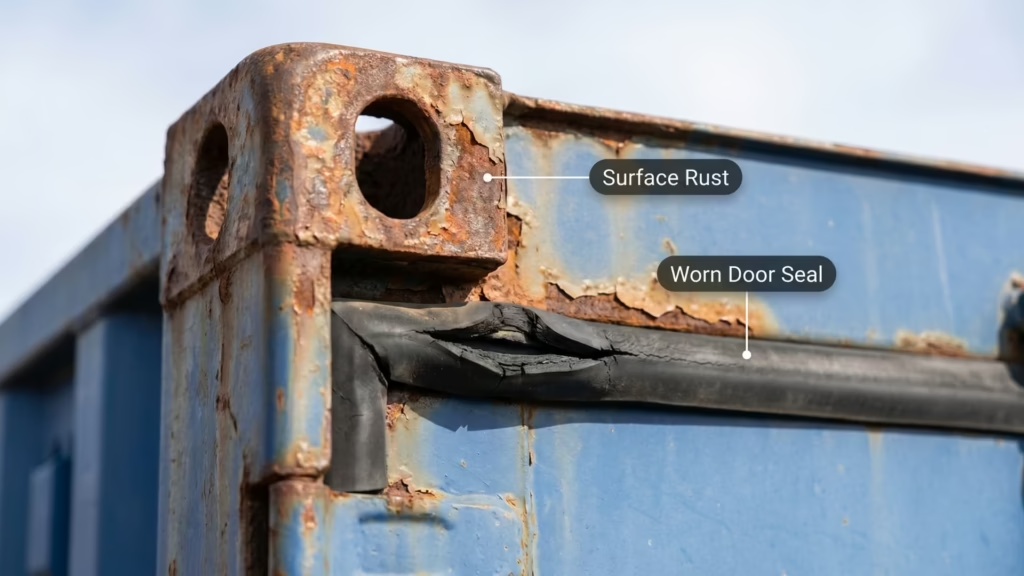
- Surface rust around the roof, floor edges, or door frames.
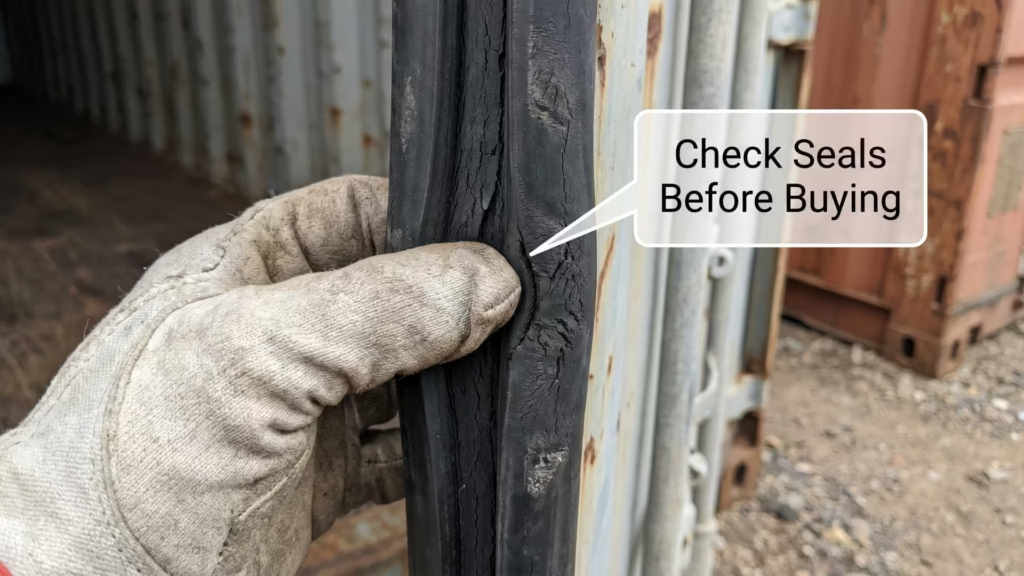
- Leaks after heavy rain, which point to damaged seams or failing rubber seals — worth checking if wind and watertight container.
- Container doors that are difficult to open are often a sign of warped frames or worn door hinges.
- Major dents that affect the structural integrity of the panels.
- Debris buildup on the roof, which traps moisture and speeds up corrosion.
“Small signs of wear are manageable. Left alone, surface rust spreads, seals crack, and a minor patch job becomes a full weld or panel replacement."
If you’re unsure which condition grade is right for your use case, see our guide to cargo-worthy vs wind and watertight containers.
Shipping Container Maintenance Tips
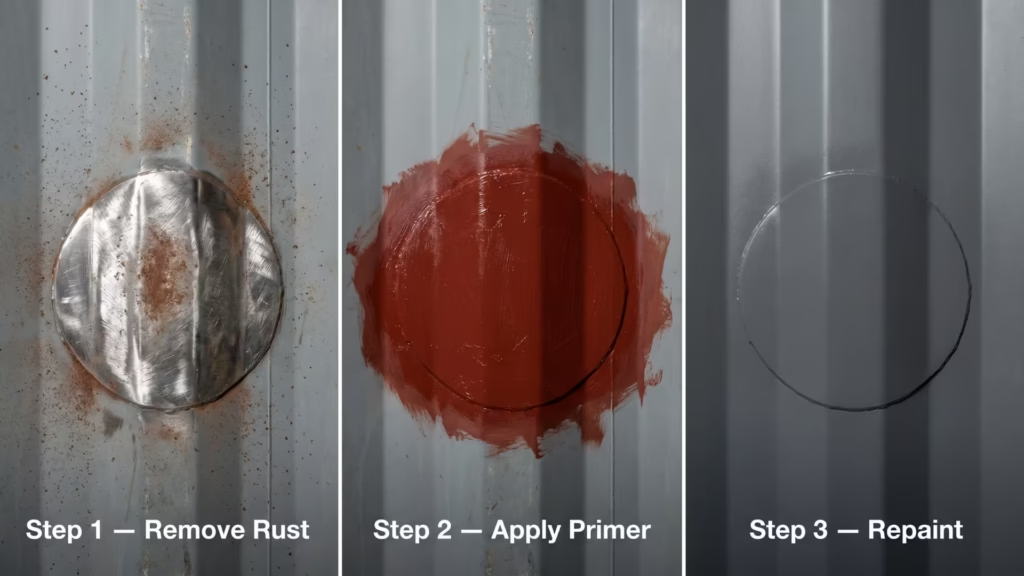
- Tackle rust early. Scrub surface rust with a wire brush or sandpaper, prime the area, then repaint with marine-grade paint. For deeper rust and corrosion, a weld patch may be needed first.
- Seal everything properly. Use caulk or sealant around seams and joints to keep water out. Check rubber seals on container doors regularly and replace them when they crack or lose their watertight fit.
- Sort the ventilation. A vent reduces condensation buildup inside, especially in humid climates or when the container is used for storage.
- Lubricate moving parts. Door hinges and locking rods seize over time. Regular lubrication keeps container doors operating smoothly and watertight.
Can an Ageing Shipping Container Work as a Container Home?
Buying a shipping container for residential use is a well-established option for those after something durable, portable, and increasingly affordable.
A high cube container, with its extra internal height, is the go-to choice for shipping container home conversions. With proper insulation, climate control, and modification, a container’s life as a home can stretch well past 50 years. Start with a structurally sound unit and the rest follows.