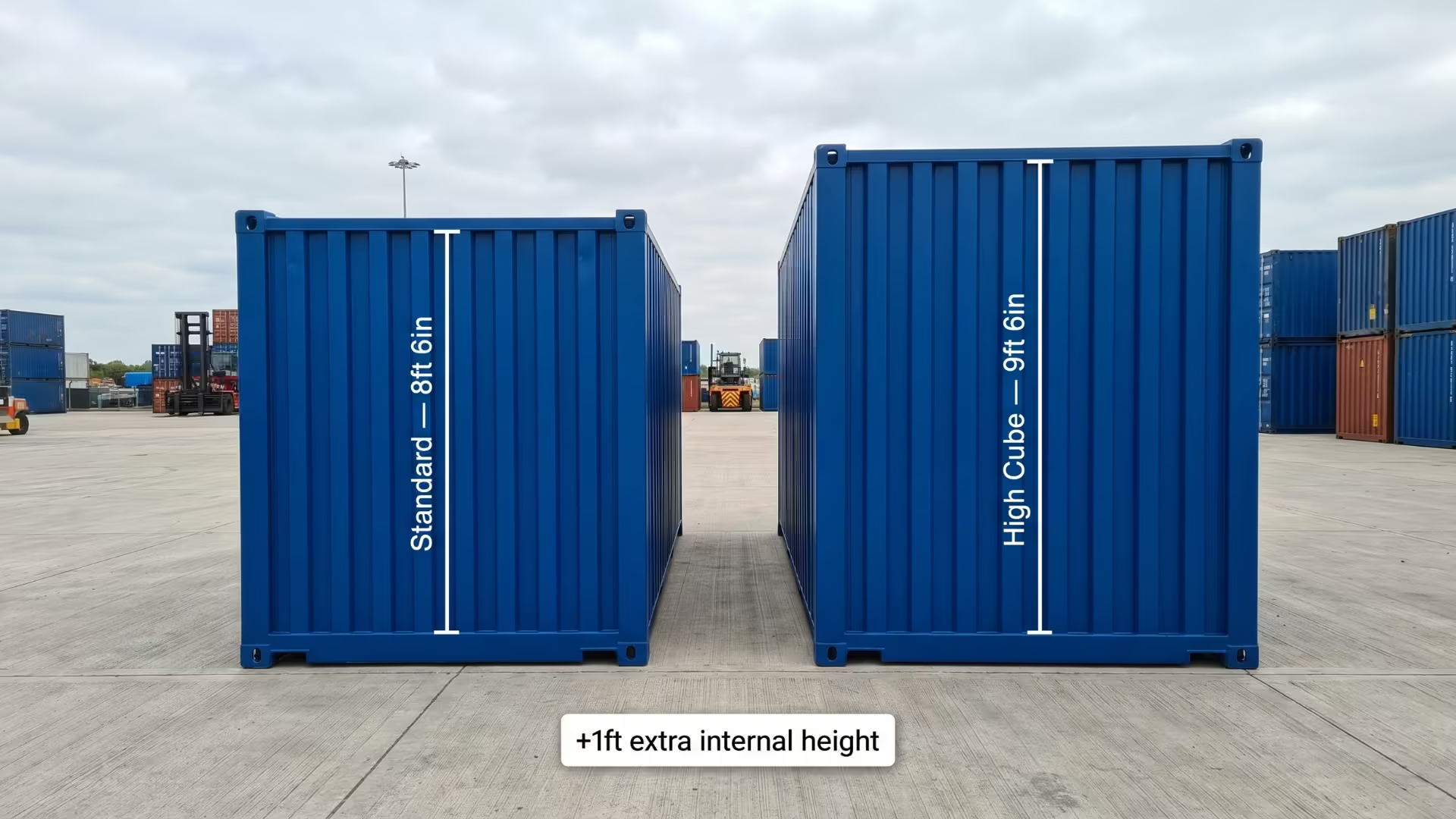
A high cube shipping container is a standard intermodal container with one key difference: it’s taller. While a regular shipping container stands at 8ft 6in, a high cube adds roughly an extra foot of height, bringing it to 9ft 6in (approximately 2.7 metres) internally. That gives you more cubic volume, more headroom, and more flexibility for cargo that simply wouldn’t fit otherwise.
Key Takeaways:
- High cubes stand 9ft 6in tall, roughly 30cm taller than a standard container
- Available in 20ft, 40ft, and 45ft sizes
- Best suited for tall, bulky loads and high-volume cargo
- Used across storage, transport, and general purpose site applications
- Tare weight is slightly higher, but payload capacity remains competitive
- Both new and used high cube containers are available in the UK
High Cube Containers vs Standard Shipping Containers
The difference comes down to one dimension: height.
A standard container gives you an internal height of around 7ft 10in. A high cube container pushes that to 9ft 6in, adding an extra foot of vertical space without changing the floor plan at all. Same footprint, noticeably more room inside.
For most dry cargo, a standard container does the job.
But when you’re working with taller cargo, bulky loads that need room to breathe, or simply want extra storage volume for long-term storage, that additional height earns its keep. If you’re still weighing up which container type suits your needs, it’s worth understanding what separates high cubes from the rest before committing.
But when you’re working with taller cargo, bulky loads that need room to breathe, or simply want extra storage volume for long-term storage, that additional height earns its keep. If you’re still weighing up which container type suits your needs, it’s worth understanding what separates high cubes from the rest before committing.
“The extra foot of internal height in a high cube can increase usable cubic capacity by around 13% compared to a standard container of the same length."
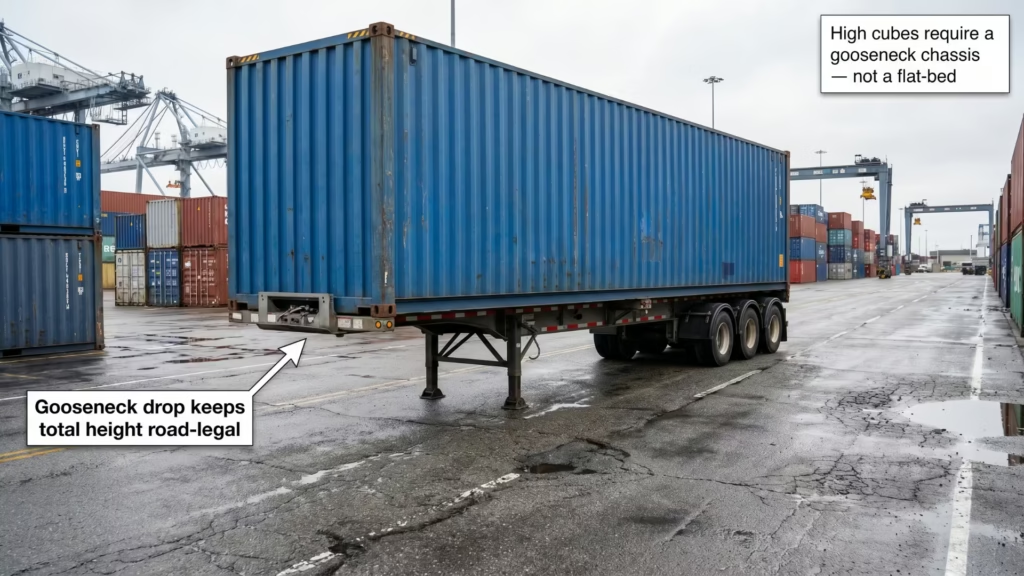
One thing worth knowing: high cube containers typically require a gooseneck chassis for transport due to their height. It’s a minor logistical point, but worth flagging before you book delivery.
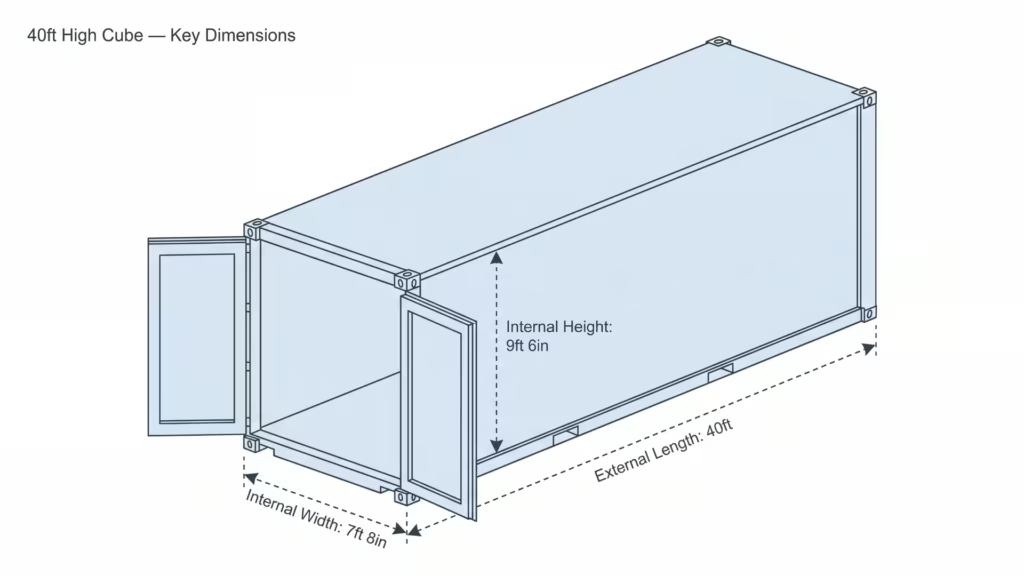
High Cube Container Dimensions — 20ft, 40ft & 45ft Sizes
High cube containers are available across a range of sizes. Here’s a breakdown of the most common container types:
20ft High Cube
| Dimension | Measurement |
|---|---|
| External Length | 20ft |
| Internal Height | ~9ft 6in |
| Internal Width | ~7ft 8in |
| Capacity | ~1,169 cubic feet |
The 20ft high cube works well for smaller shipments where height is a constraint. It fits up to 20 pallets and is a practical option for businesses with moderate cargo needs.
40ft High Cube
| Dimension | Measurement |
|---|---|
| External Length | 40ft |
| Internal Height | ~9ft 6in |
| Internal Width | ~7ft 8in |
| Capacity | ~2,694 cubic feet |
The 40ft high cube container is the industry standard for large-scale cargo and storage. The 40-foot high cube container carries a payload broadly similar to a standard 40ft container, but the additional cubic feet make it far better suited for high-volume or tall freight.
45ft High Cube
Less commonly used but worth knowing about. The 45ft high cube is built for serious volume — intermodal transport across long distances where maximising space per shipment matters. It’s a specialist option rather than an everyday choice for most buyers.
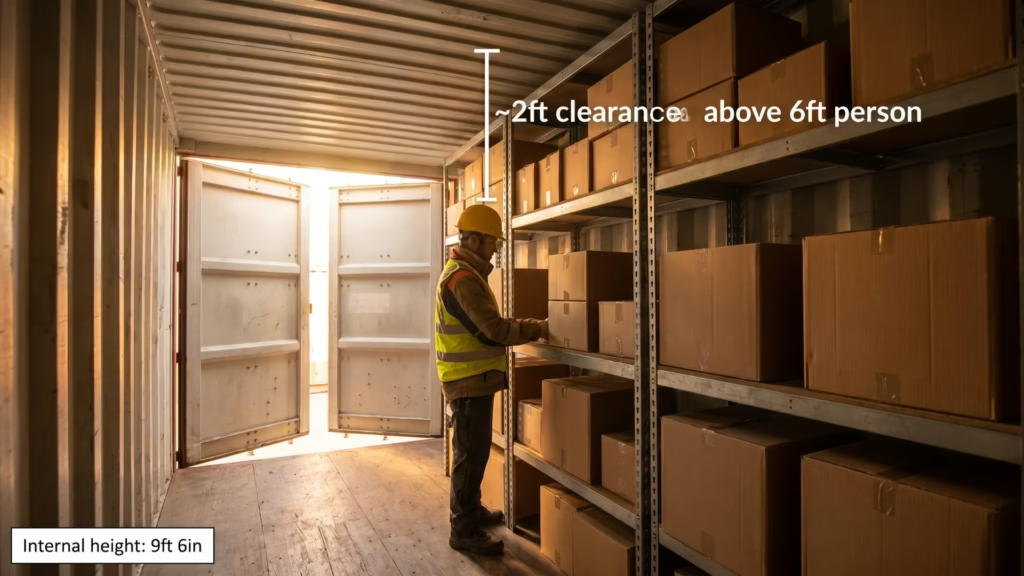
What Are High Cube Containers Used For?
The extra vertical space opens up quite a few use cases that a standard container simply can’t accommodate:
- Tall or bulky loads — machinery, furniture, racking systems, and equipment that won’t clear a standard door height
- High-volume cargo — when you need to stack goods efficiently without splitting across multiple containers
- Long-term storage — the additional headroom makes organising and accessing stored goods much easier
- General purpose transport — high cube sea containers handle most of the same dry cargo types as standard units, just with more room
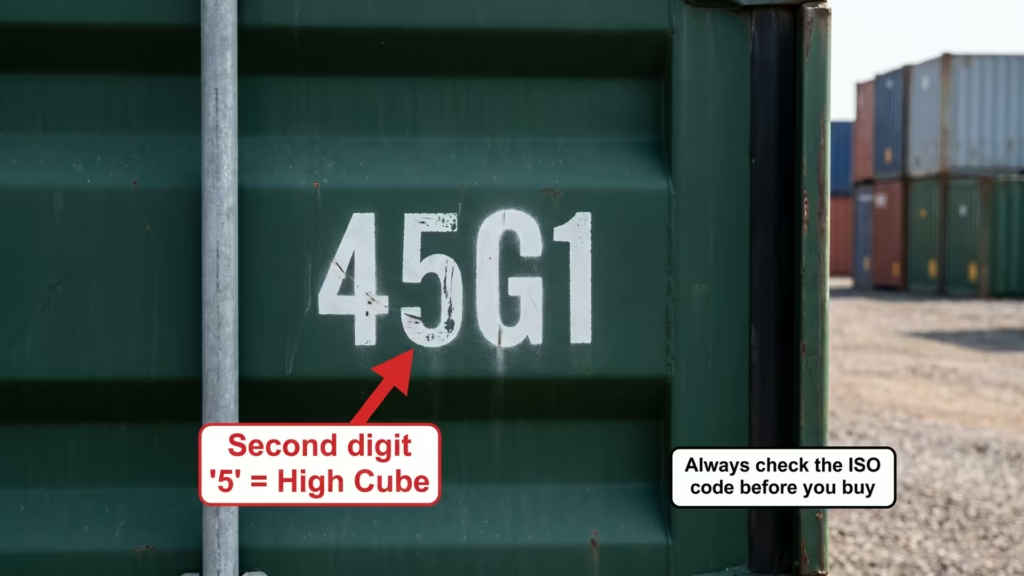
How to Tell If a Container Is a High Cube
Visually, high cubes can look almost identical to standard containers. The easiest ways to tell them apart:
- Check the door height — a high cube door stands noticeably taller
- Look at the ISO code — the container type code will include a “5” in the second digit (e.g., 45G1 for a 40ft high cube)
- Measure the external height — standard containers are 8ft 6in; high cubes are 9ft 6in
- Lashing rings position — often placed slightly differently to account for the taller internal space
Frequently Asked Questions
Is a high cube actually worth the extra cost, or should I just go with a standard container?
Depends entirely on what you’re putting in it. If your cargo sits under 7ft 10in with room to spare, a standard container will do the job and save you money. But if you’re regularly loading goods that push the height limit, or you’re converting a container into a workspace, the high cube pays for itself fast. A lot of buyers on forums say they wish they’d just gone high cube from the start rather than realising mid-project they needed the extra room. Not sure which size or spec is right for you? Our guide on how to choose the right shipping container walks through the key decisions.
Do I need a special trailer or truck to transport a high cube?
Yes, and this catches people out. High cube containers typically need a gooseneck chassis rather than a flat-bed trailer, because the extra 30cm of height would otherwise push the total transport height over the legal road limit. Most container hauliers know this already, but it’s worth confirming when you’re arranging delivery so there are no surprises on the day.
Can you stack a high cube on top of a standard container (or vice versa)?
Yes, you can stack them. High cubes have the same corner castings as standard containers, so they’re fully compatible for stacking. The only consideration is making sure whatever structure or depot you’re using has the clearance to handle the taller overall height once stacked.
What's the actual usable internal height, once you account for flooring and structure?
The internal height of a 40ft high cube is typically around 2.69 metres (8ft 10in). That figure already accounts for the floor boards and roof structure, so what you see on spec sheets is broadly what you get. Still comfortably over a standard container’s internal 2.35 metres, and enough to stand upright and work inside without hunching.
How can you tell a high cube from a standard container without measuring it?
The quickest way is to look at the door. High cube doors are noticeably taller, and once you’ve seen both side by side you won’t mix them up again. You can also check the ISO code stencilled on the container: the second character in the type code will be a “5” for high cubes (e.g., 45G1 for a 40ft general purpose high cube). On a used container, the height marking is usually stamped near the door frame too.
Looking for High Cube Containers in the UK?
At Blue Fin International Shipping, we supply both new and used high cube containers across Greater London and nationwide. Whether you need a 20ft high cube for a single shipment or a fleet of 40ft units for ongoing storage and transport, we can help you find the right fit.
All our containers are quality-inspected and available in a range of sizes to match your exact cargo needs. Get in touch with our team for competitive pricing and UK delivery.
All our containers are quality-inspected and available in a range of sizes to match your exact cargo needs. Get in touch with our team for competitive pricing and UK delivery.