
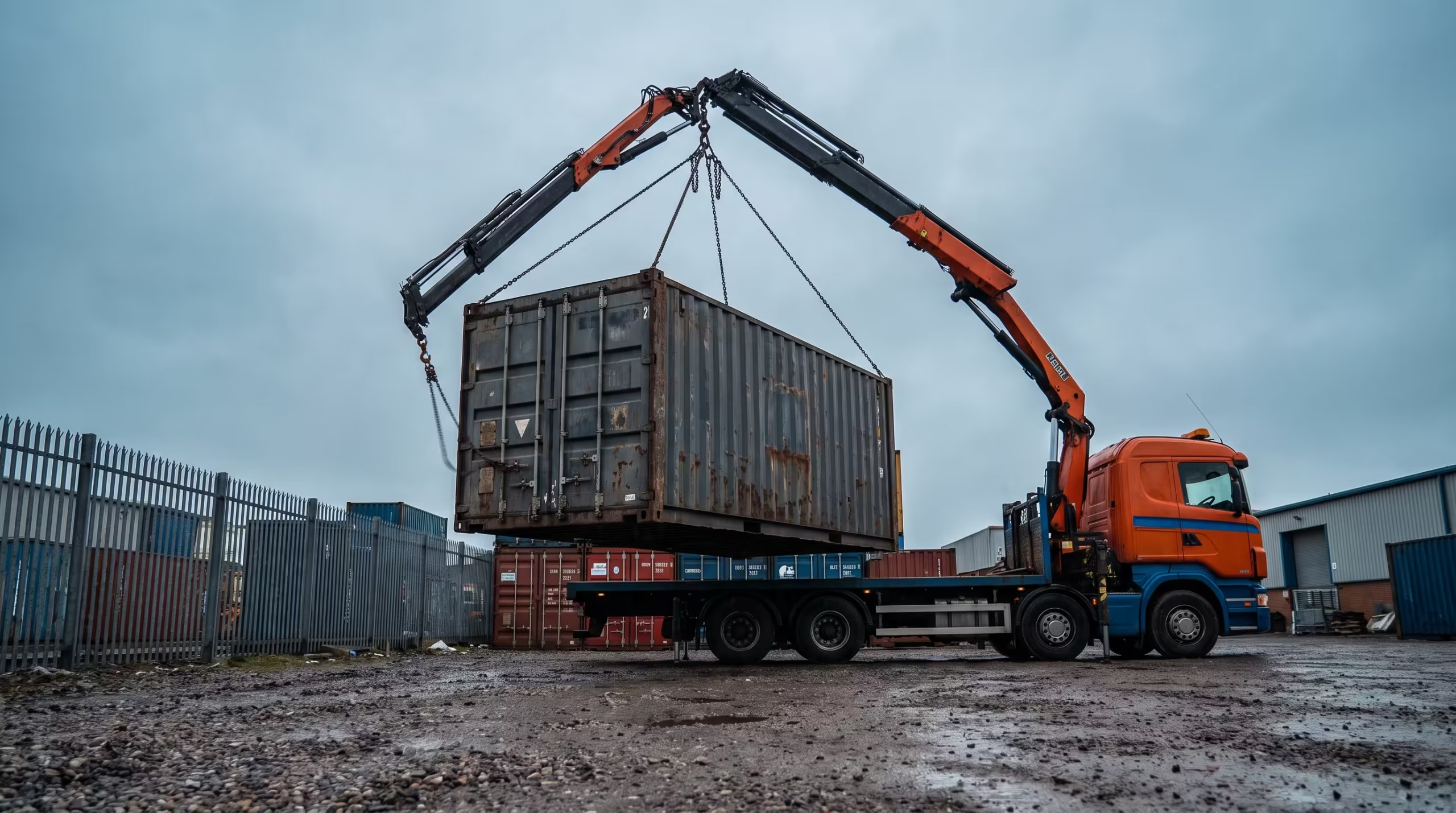
Shipping container delivery in the UK typically happens by hiab crane lorry or skeletal trailer, with your container lifted or slid straight into position. Most suppliers deliver within 3 to 10 working days, depending on location and container size. The main thing to sort out before the truck arrives: a clear, flat, accessible drop-off spot.
If you’re ordering for the first time, there’s a bit more worth knowing, from how the delivery vehicle actually gets your container off the truck to what happens if your access road is a bit tight.
If you’re ordering for the first time, there’s a bit more worth knowing, from how the delivery vehicle actually gets your container off the truck to what happens if your access road is a bit tight.
Key Takeaways:
- Delivery methods vary. Crane trucks lift containers into place; lorry and trailer setups slide them off via tilt-bed.
- Sizes range from 6ft to 40ft, including 8ft, 9ft, 10ft, 15ft, 20ft, 24ft, 30ft, and high cube.
- Site prep matters most. A firm, level surface with room for the delivery vehicle to manoeuvre saves time and hassle.
- Delivery costs depend on distance, access, and crane requirements, not just the container itself.
- New, used, and one trip containers are all available, with refurbished units offering a solid middle ground on price.
What Happens on Shipping Container Delivery Day
There are two common ways a container reaches you. The first is via crane truck, where the truck’s onboard crane lifts the container off the flatbed and lowers it into your chosen spot.
Handy for tighter or uneven sites, since the crane reaches over obstacles a standard lorry can’t. The second is a lorry and trailer delivery. The trailer tilts, and the container slides off under gravity, guided by the driver. Quicker, but it needs a longer, straighter run-up.
Your driver usually calls ahead to confirm timing. Most container companies also bundle collection and delivery together, so if you’re upgrading sizes later, the same driver handles both jobs in one visit.
Handy for tighter or uneven sites, since the crane reaches over obstacles a standard lorry can’t. The second is a lorry and trailer delivery. The trailer tilts, and the container slides off under gravity, guided by the driver. Quicker, but it needs a longer, straighter run-up.
Your driver usually calls ahead to confirm timing. Most container companies also bundle collection and delivery together, so if you’re upgrading sizes later, the same driver handles both jobs in one visit.
A good supplier asks about site access before delivery day, not after the lorry's stuck at your gate.
Sizes and Types of Containers Available for Delivery
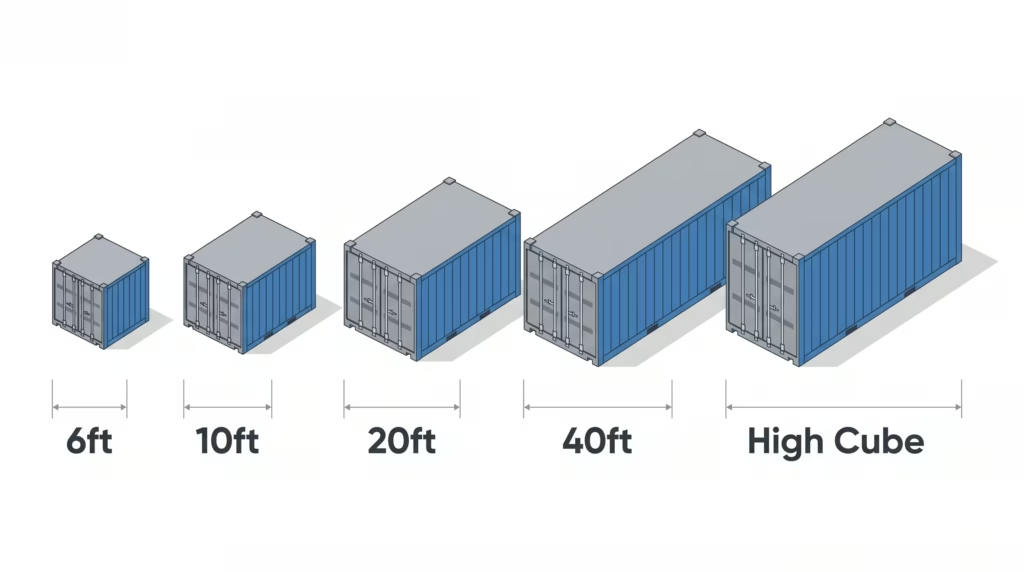
The UK market covers a wide range of shipping containers, and picking the right one comes down to what you’re storing and how much space you’ve got.
- 6ft and 8ft containers: compact, ideal for tools or small equipment
- 9ft and 10ft containers: a popular middle ground for site storage, and our 10ft shipping containers fit into roughly a single parking space
- 15ft, 20ft, and 24ft containers: the workhorses, with 20ft shipping containers used for everything from portable offices to bulk storage
- 30ft and 40ft containers: suited to larger commercial or industrial needs
- High cube containers: extra headroom, useful for conversions
- Open sided and tunnel containers: built for easier loading and access
- Bunded containers: designed to contain spills, often used for fuel storage
- Flat pack containers: collapsible for cheaper transport, then assembled onsite
You’ll also come across new, used, and one trip containers. One trip units have made a single journey from the factory, so they’re nearly new but priced below brand new stock. Used containers cost less again, though quality varies, so it’s worth asking whether they’ve been inspected or refurbished before leaving the depot. Browse our full shipping containers for sale range to compare sizes and conditions side by side.

How to Prepare Your Site Before Container Delivery
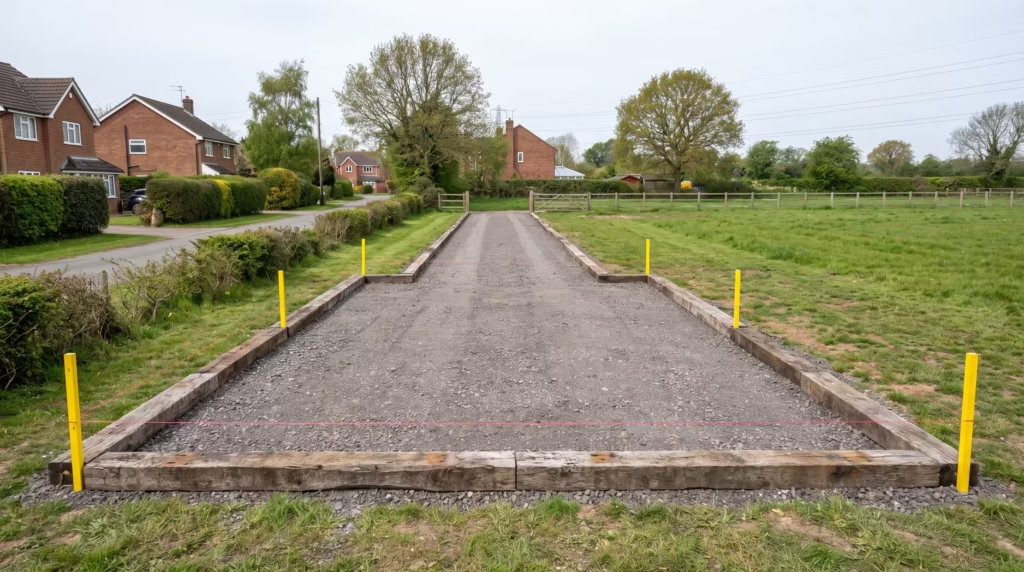
This is the part that trips people up most. A shipping container is heavy (a 20ft unit weighs around 2 to 2.5 tonnes empty), so the ground underneath needs to hold that weight without shifting.
Here’s what to check before your delivery vehicle turns up:
Here’s what to check before your delivery vehicle turns up:
- Level, firm ground. Concrete, compacted gravel, or railway sleepers all work well. Soft ground can cause the container to settle unevenly over time.
- Clear access route. Delivery vehicles, especially those towing a trailer, need a wide, straight run-up. Measure your gate width and turning circle in advance.
- Overhead clearance. Trees, power lines, and low bridges can interfere with a crane’s reach.
- Designated spot marked out before the driver arrives, which speeds things up considerably.
- Space around the container for opening the doors fully, or fitting a lock box and padlock afterwards.
If your site’s on a construction site or somewhere with restricted access, flag this at quote stage. Most container companies ask about site conditions upfront precisely because it changes which delivery method they’ll use.
Container Delivery Costs Across the UK
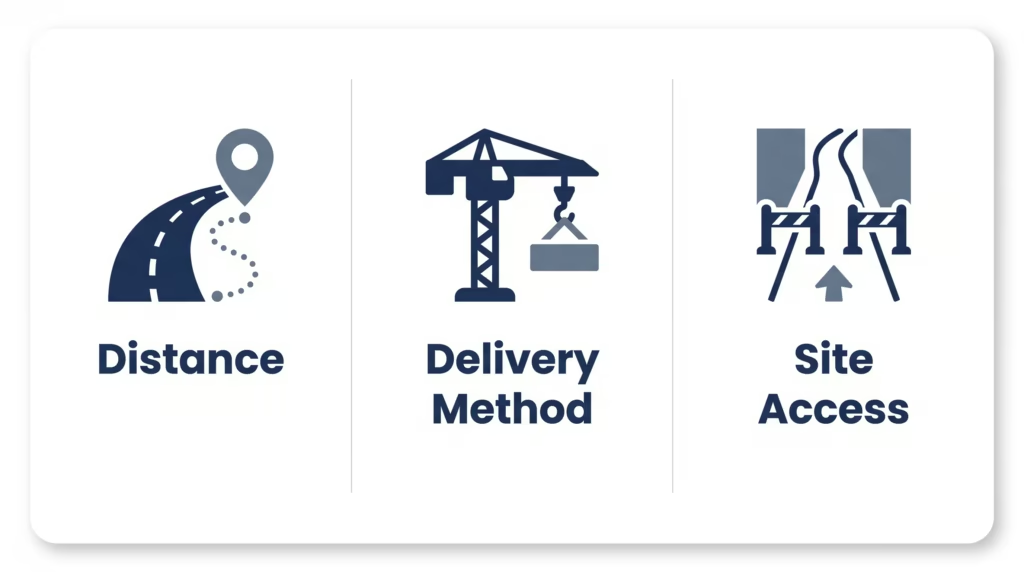
Delivery costs aren’t a flat fee. Distance from the supplier’s depot plays the biggest role, so a container travelling from London to Kent usually costs less to deliver than one heading up to Scotland.
Crane deliveries also tend to cost more than standard lorry drop-offs, since crane trucks and the container haulage involved require more specialised equipment. Site access matters too. Tight streets or restricted delivery windows, common in city centres, can add to the price.
Most suppliers offering containers direct will give you a clear breakdown before you commit, so there shouldn’t be any surprises once the container’s on-site.
Crane deliveries also tend to cost more than standard lorry drop-offs, since crane trucks and the container haulage involved require more specialised equipment. Site access matters too. Tight streets or restricted delivery windows, common in city centres, can add to the price.
Most suppliers offering containers direct will give you a clear breakdown before you commit, so there shouldn’t be any surprises once the container’s on-site.
Container Conversions Add Extra Value
Once delivered, a container doesn’t have to just sit there as a storage container. Container conversions have become increasingly common across the UK, turning a standard unit into a portable office, workshop, or even livable space.
Shipping container conversions typically involve insulation, electrics, windows, and sometimes plumbing. It’s a cost-effective way to create a portable space without the time and expense of traditional construction, especially on active construction sites where a proper building isn’t practical. Our container conversions team can talk you through what’s possible before your unit is even delivered.
Shipping container conversions typically involve insulation, electrics, windows, and sometimes plumbing. It’s a cost-effective way to create a portable space without the time and expense of traditional construction, especially on active construction sites where a proper building isn’t practical. Our container conversions team can talk you through what’s possible before your unit is even delivered.

Choosing a Reliable Supplier of Shipping Containers
Not every supplier operates the same way, and this is where a bit of research pays off. Look for a company that can show ISO and CSC certification on export-ready units, confirming the container meets international transport standards.
A few other things worth checking:
A few other things worth checking:
- Are the containers galvanised to resist rust and last longer outdoors?
- Does the supplier offer genuine reliable delivery with tracked timing, rather than a vague “sometime this week”?
- Can they supply security extras like a lock box and padlock?
- Do they offer competitive prices without cutting corners on inspection?
- Do they explain the different types of shipping containers clearly enough that you can pick the right one with confidence?
A supplier who’s upfront about all this, from stock condition to delivery logistics, tends to be the one worth going with.
Frequently Asked Questions
How much does a shipping container cost in the UK, including delivery?
Prices vary by size and condition. As a general guide, used 20ft containers start from around £1,500 + VAT, with new one-trip units from around £2,800 + VAT. Delivery is quoted separately and depends on your postcode and distance from stock.
What types of shipping containers are available for delivery in the UK?
You’ll find new, used, one trip, high cube, open sided, bunded, and refurbished containers, ranging from 6ft up to 40ft.
What are the different delivery options for shipping containers in the UK?
The two main methods are crane truck delivery and standard lorry/trailer drop-off, chosen based on your site’s access and ground conditions.
What are the site requirements for shipping container delivery?
You’ll need level, firm ground, a clear access route for the delivery vehicle, and enough overhead clearance if a crane is being used.
What are the typical delivery times for shipping containers in the UK?
Most suppliers deliver within 3 to 10 working days, though this depends on stock availability and your location.
Can I rent or hire a shipping container in the UK?
Yes, many suppliers offer hire options alongside outright purchase, which suits shorter-term storage or site needs.
How can I get a quote for a shipping container and delivery?
Most container companies offer online quote forms or take details over the phone, usually asking for your postcode, container size, and site access details.
What are the available sizes of shipping containers?
Common sizes include 6ft, 8ft, 9ft, 10ft, 15ft, 20ft, 24ft, 30ft, and 40ft, alongside high cube variants.
What is the process for ordering and receiving a shipping container?
You’ll typically request a quote, confirm your container type and delivery date, prepare your site, then receive the container via crane or trailer on the agreed day.
Should I buy a used or new shipping container?
It depends on budget and purpose. New containers cost more but come free of wear, while used units are more affordable and perfectly fine for general storage once inspected.


