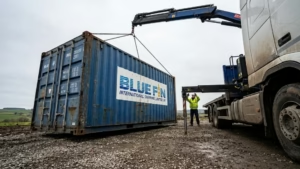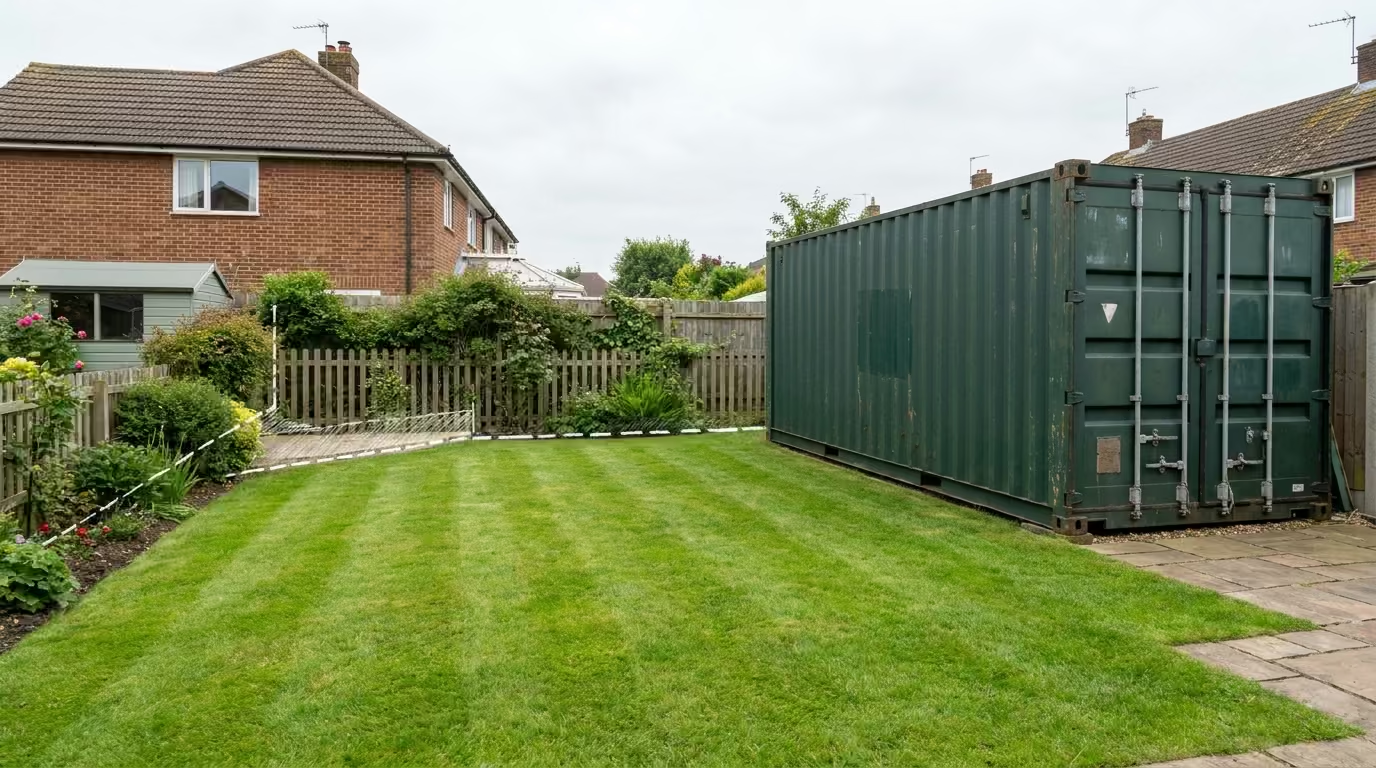
In most cases, no. Thanks to permitted development rights, you can usually place a shipping container in your garden or on your land without applying for planning permission, as long as it’s used for storage and stays within certain size and position limits.
But that’s not the whole story. Where you live, what the container is used for, and how long it stays all change the answer. Converting one into a container home, for instance, is a different matter entirely. This guide walks through exactly when planning permission is required, when it isn’t, and what to do if you’re not sure which category you fall into.
But that’s not the whole story. Where you live, what the container is used for, and how long it stays all change the answer. Converting one into a container home, for instance, is a different matter entirely. This guide walks through exactly when planning permission is required, when it isn’t, and what to do if you’re not sure which category you fall into.
Key Takeaways:
- Storage use is usually fine. Most container storage on residential or commercial land falls under permitted development and won't need planning permission.
- The 28-day rule matters. Temporary placement is often allowed without formal permission, but the rules shift the longer a container stays put.
- Location changes everything. Green belt land, an area of outstanding natural beauty, and listed building curtilage all carry tighter restrictions.
- Container homes need full planning permission. Living in a container, even part-time, moves you out of permitted development territory and into a proper planning application.
- Agricultural land has its own rules. Farm use is often more flexible, but business use on agricultural land can still trigger the need to apply for planning permission.
When Permitted Development Rights Cover Your Container
Permitted development rights come from the General Permitted Development Order (GPDO), and they’re the reason most people never need to think about planning permission at all.
If you’re placing a 20ft shipping container within the curtilage of your property, mainly for storage, and it doesn’t take up more than half your garden once combined with other outbuildings, you’re likely covered. The same goes for containers used as a garden shed or general storage needs around the house.
A few conditions tend to apply:
If you’re placing a 20ft shipping container within the curtilage of your property, mainly for storage, and it doesn’t take up more than half your garden once combined with other outbuildings, you’re likely covered. The same goes for containers used as a garden shed or general storage needs around the house.
A few conditions tend to apply:
- The container shouldn’t sit in front of the building line facing a road
- It generally shouldn’t exceed single-storey height limits
- It shouldn’t be used to create additional living space
- It shouldn’t interfere with a neighbour’s access or light in a way that causes a formal complaint
Permitted development rights aren’t universal, though. They can be restricted or removed entirely in certain areas, which is why it’s always worth a quick check with your local planning authority before you commit to a delivery date.
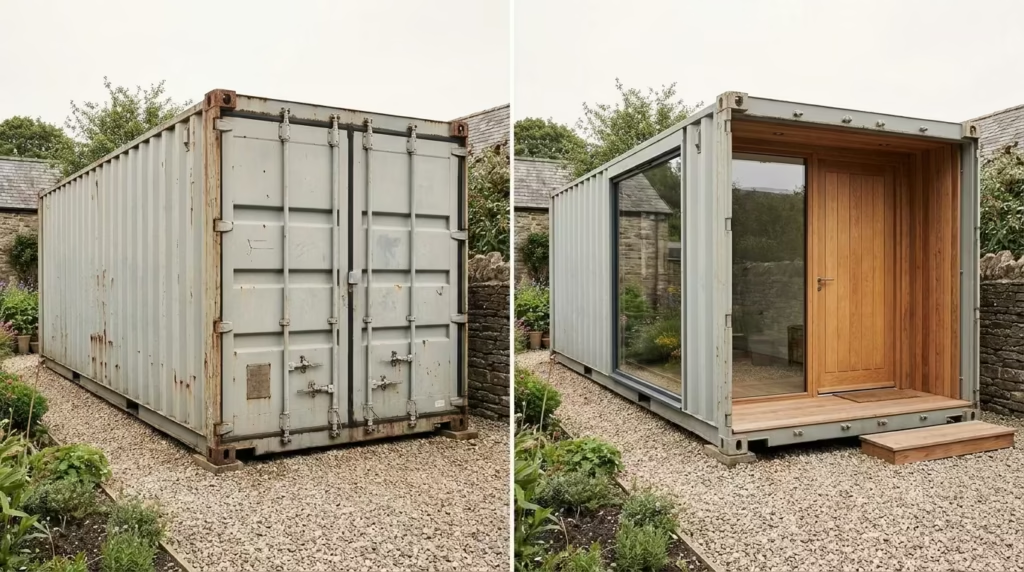
When You Need Planning Permission to Put a Container on Your Property
The need for planning permission depends heavily on what the container is actually for. Storage: usually fine. Anything involving a change of use, and you’re in different territory.
You’ll need permission if you’re planning to use the container as:
You’ll need permission if you’re planning to use the container as:
- A home office that effectively becomes a separate structure for business use
- A container office rented out or used commercially
- Living accommodation, even on a temporary or part-time basis
- A permanent structure that alters the original property’s footprint significantly
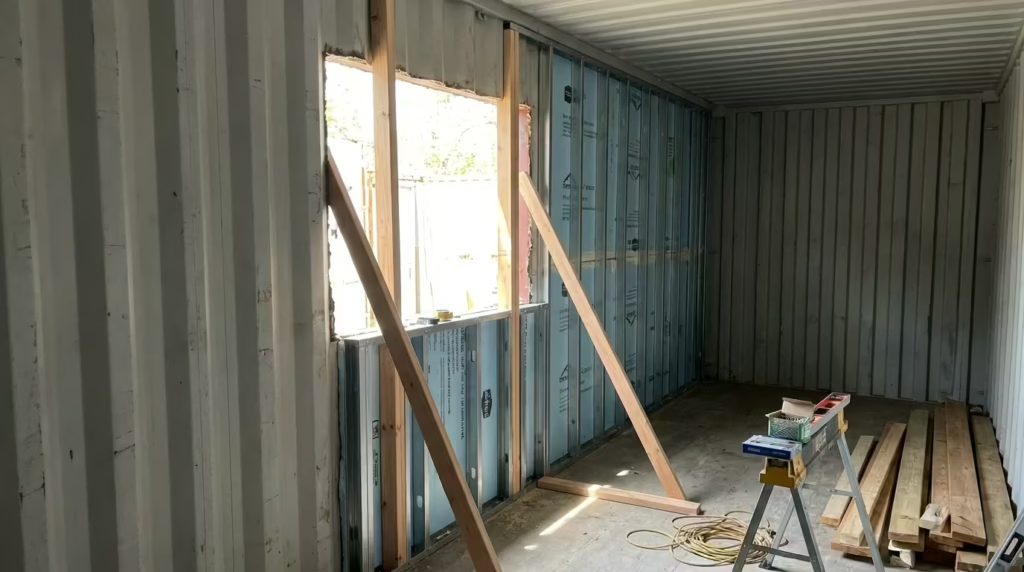
Location plays just as big a role as use. If you live in an area protected for its landscape or heritage value, the bar is lower for when permission is required.
Green belt land carries some of the strictest rules in the country. Even storage containers can require planning consent here, since the whole point of green belt designation is to prevent this kind of development.
An area of outstanding natural beauty (increasingly referred to as a National Landscape) works similarly. Containers that would pass without a second glance in an ordinary residential garden might need a full planning application in a protected landscape. Listed buildings are their own category. If your property is listed, or the container would sit within its curtilage, you’ll almost certainly need to contact your local planning authority first. The visual impact on a protected building is taken seriously, and retrospective planning permission is a much harder, slower process than applying up front.
Green belt land carries some of the strictest rules in the country. Even storage containers can require planning consent here, since the whole point of green belt designation is to prevent this kind of development.
An area of outstanding natural beauty (increasingly referred to as a National Landscape) works similarly. Containers that would pass without a second glance in an ordinary residential garden might need a full planning application in a protected landscape. Listed buildings are their own category. If your property is listed, or the container would sit within its curtilage, you’ll almost certainly need to contact your local planning authority first. The visual impact on a protected building is taken seriously, and retrospective planning permission is a much harder, slower process than applying up front.
Placing a Shipping Container on Agricultural Land
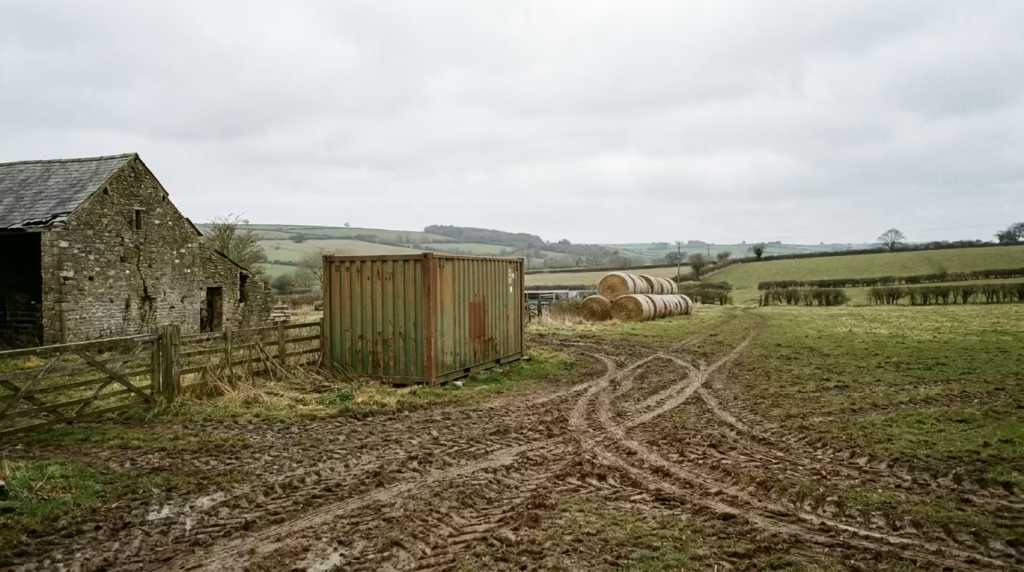
Agricultural land often gets more breathing room than residential property, but it’s not unlimited. If the container is genuinely being used for agricultural purposes, such as equipment or feed storage tied directly to farming activity, permitted development rights typically apply. A compact 10ft shipping container is a common choice here, small enough to tuck into a farm plot without drawing much attention.
The picture changes with business use. A shipping container used as a workshop, retail space, or storage for a non-farming enterprise on agricultural land is a change of use in the eyes of planning law, and that generally means you’ll need to apply for planning permission.
Anyone shifting land from agricultural to residential use, or adding commercial activity to a farm plot, should treat this as a planning application from the outset rather than something to sort out later.
The picture changes with business use. A shipping container used as a workshop, retail space, or storage for a non-farming enterprise on agricultural land is a change of use in the eyes of planning law, and that generally means you’ll need to apply for planning permission.
Anyone shifting land from agricultural to residential use, or adding commercial activity to a farm plot, should treat this as a planning application from the outset rather than something to sort out later.
The 28-Day Rule for Temporary Shipping Container Placement
Here’s a rule that trips a lot of people up. Under permitted development, a temporary structure, including a shipping container, can often be placed on land for up to 28 days in a calendar year without formal permission, even outside the usual storage-use exemptions.
This is commonly used for short-term site storage, events, or construction projects. Once that 28-day window closes, though, the container either needs to come off site or the situation needs proper planning approval. It’s a useful option if your storage needs are short-term, but it’s not a loophole for permanent placement. Local councils do check, and leaving a container up well past the 28 days without formal permission can lead to enforcement action.
This is commonly used for short-term site storage, events, or construction projects. Once that 28-day window closes, though, the container either needs to come off site or the situation needs proper planning approval. It’s a useful option if your storage needs are short-term, but it’s not a loophole for permanent placement. Local councils do check, and leaving a container up well past the 28 days without formal permission can lead to enforcement action.
How to Apply for Planning Permission (If You Need It)
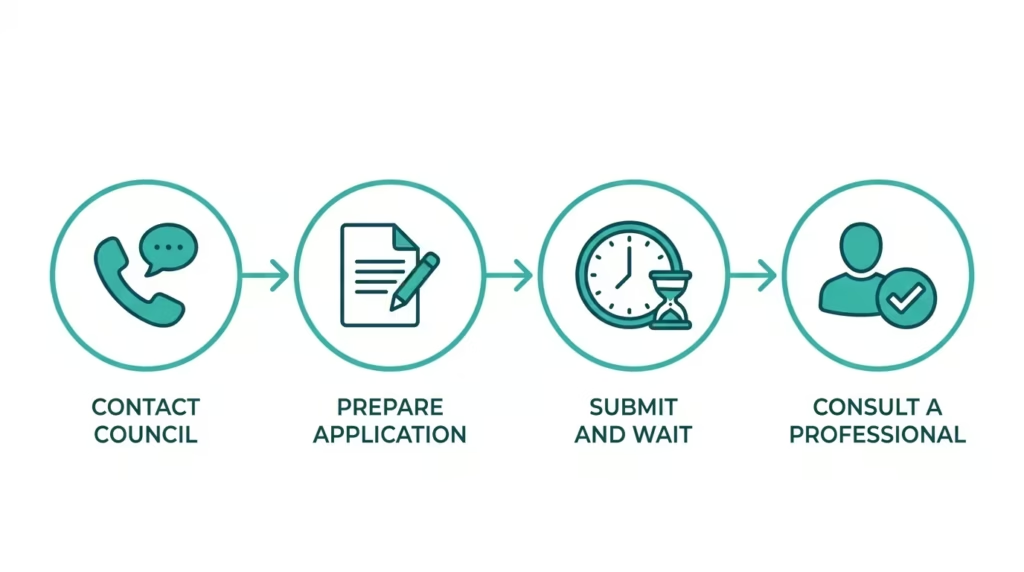
If you’ve worked through the above and landed on “yes, I need permission,” the planning process itself is fairly standard.
- Contact your local planning authority. Every council handles applications slightly differently, so it’s worth checking their specific requirements before you submit anything.
- Prepare your planning application. This usually includes site plans, details of the container’s use, and dimensions.
- Submit and wait. Decisions typically take around eight weeks, though this varies by council and by how straightforward the application is.
- Consider a planning consultant for anything unusual, particularly on green belt or listed building sites, where the requirements can get technical fast.
It’s also worth thinking about the container itself while you wait on approval. Whether you’re weighing up new vs used shipping containers can shape what you put in your application, since condition and appearance sometimes factor into a council’s decision.
Placing a container without formal permission when it’s actually required is a genuine risk. Councils can request retrospective planning permission, and if it’s refused, they can order removal, sometimes at the owner’s expense. It’s a far more stressful (and expensive) route than checking first.
Placing a container without formal permission when it’s actually required is a genuine risk. Councils can request retrospective planning permission, and if it’s refused, they can order removal, sometimes at the owner’s expense. It’s a far more stressful (and expensive) route than checking first.

Shipping Container Homes: A Special Case
A shipping container home, or container house, doesn’t fall under permitted development, full stop. Converting a container into a place to live, even a small one, requires full planning permission and separate building regulations approval.
Building regulations cover insulation, structural safety, fire escape routes, and ventilation. These are non-negotiable for anything classed as habitable space, and they apply on top of, not instead of, planning permission. If longevity matters to your plans, it’s worth reading up on how long shipping containers last before committing to a conversion, since a build meant to last decades needs a container in the right condition to match.
Container homes have become increasingly popular in the UK for their cost and speed of build, but skipping the paperwork isn’t a shortcut worth taking. Browse the full range of containers for sale early, ideally before you’ve settled on a design, so the planning considerations shape the build rather than the other way around.
Building regulations cover insulation, structural safety, fire escape routes, and ventilation. These are non-negotiable for anything classed as habitable space, and they apply on top of, not instead of, planning permission. If longevity matters to your plans, it’s worth reading up on how long shipping containers last before committing to a conversion, since a build meant to last decades needs a container in the right condition to match.
Container homes have become increasingly popular in the UK for their cost and speed of build, but skipping the paperwork isn’t a shortcut worth taking. Browse the full range of containers for sale early, ideally before you’ve settled on a design, so the planning considerations shape the build rather than the other way around.
Frequently Asked Questions
Do I need planning permission for a shipping container in my garden?
Usually not, provided it’s for storage, sits within your garden’s curtilage, and doesn’t push your total outbuilding coverage past 50% of the garden. Always check with your local planning authority if your property is listed or in a protected area.
Can you legally live in a shipping container in the UK?
Yes, but only with full planning permission and building regulations approval for the conversion. Living in an unconverted or unapproved container is not permitted.
Can I put a shipping container on my land without planning permission?
Often, yes, for storage use under permitted development rights. This changes if the land is agricultural, green belt, or if the container’s use shifts from storage to something else, like an office or living space.
Can I use a shipping container as a shed?
Generally, yes. A container used the same way as a garden shed, for storage rather than habitation, typically falls under the same permitted development rules.
Do I need building regulations approval for a shipping container conversion?
Yes, if you’re converting it into a habitable space, workspace, or anything involving plumbing, electrics, or structural changes. Basic storage use usually doesn’t trigger building regulations, but conversions almost always do.